
Why is Claim Substantiation Essential for Cosmetic Products?
Legal background
Under Article 20 of Regulation (EC) No 1223/2009 and Commission Regulation (EU) No 655/2013, cosmetic claims must be truthful, supported by adequate and verifiable evidence, and must not mislead consumers. Appropriate claim substantiation helps demonstrate product performance, support compliant marketing communications and provide evidence for claims used on packaging, websites, advertising and other promotional materials.
The risks of unsupported cosmetic claims
What happens if your claims doesn't match the formulation.
Regulatory non-compliance
Unsupported claims may fail EU requirements for truthful and adequately substantiated cosmetic claims.
Misleading consumers
Claims that exceed the available evidence may create inaccurate expectations about product performance.
Marketing restrictions
Claims may need to be changed or removed from packaging, websites or advertising materials.
Brand reputation risks
Unsubstantiated performance claims can reduce consumer trust and affect brand credibility.
Our services
How We Support Cosmetic Claims Testing & Substantiation
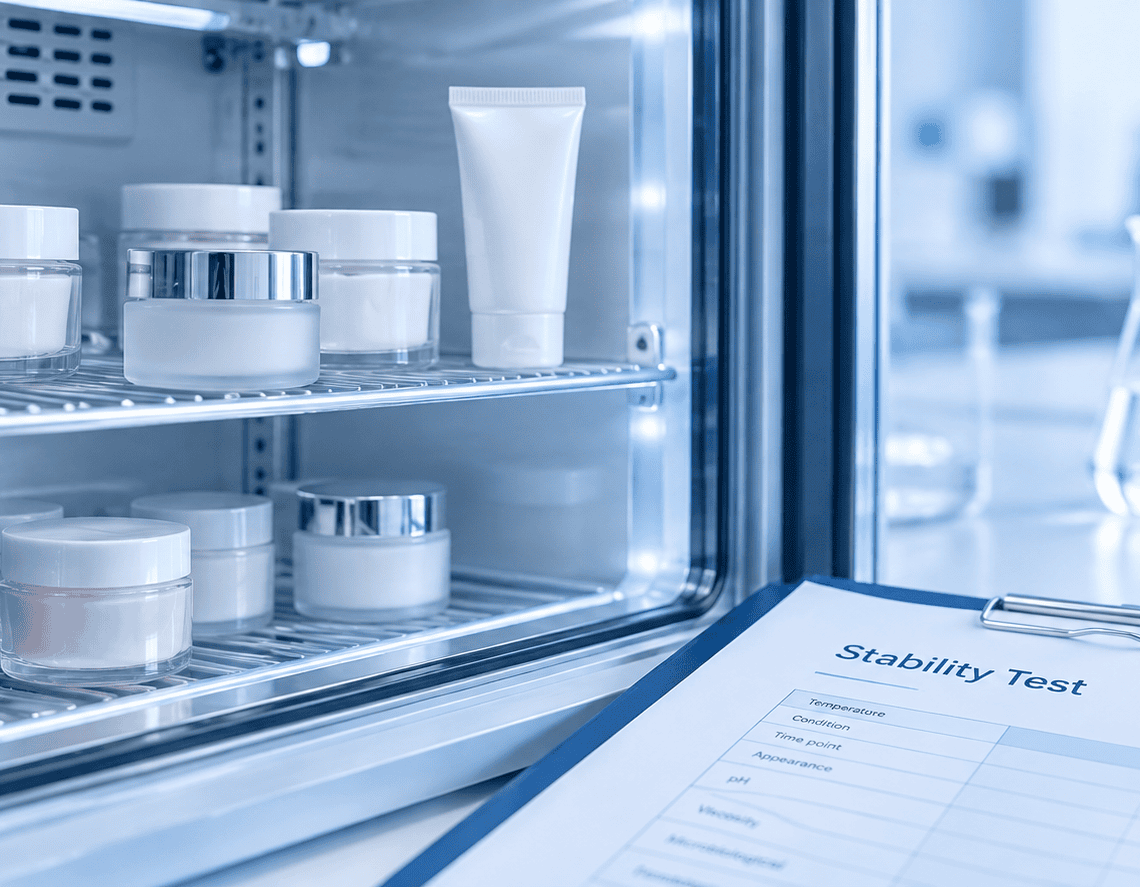
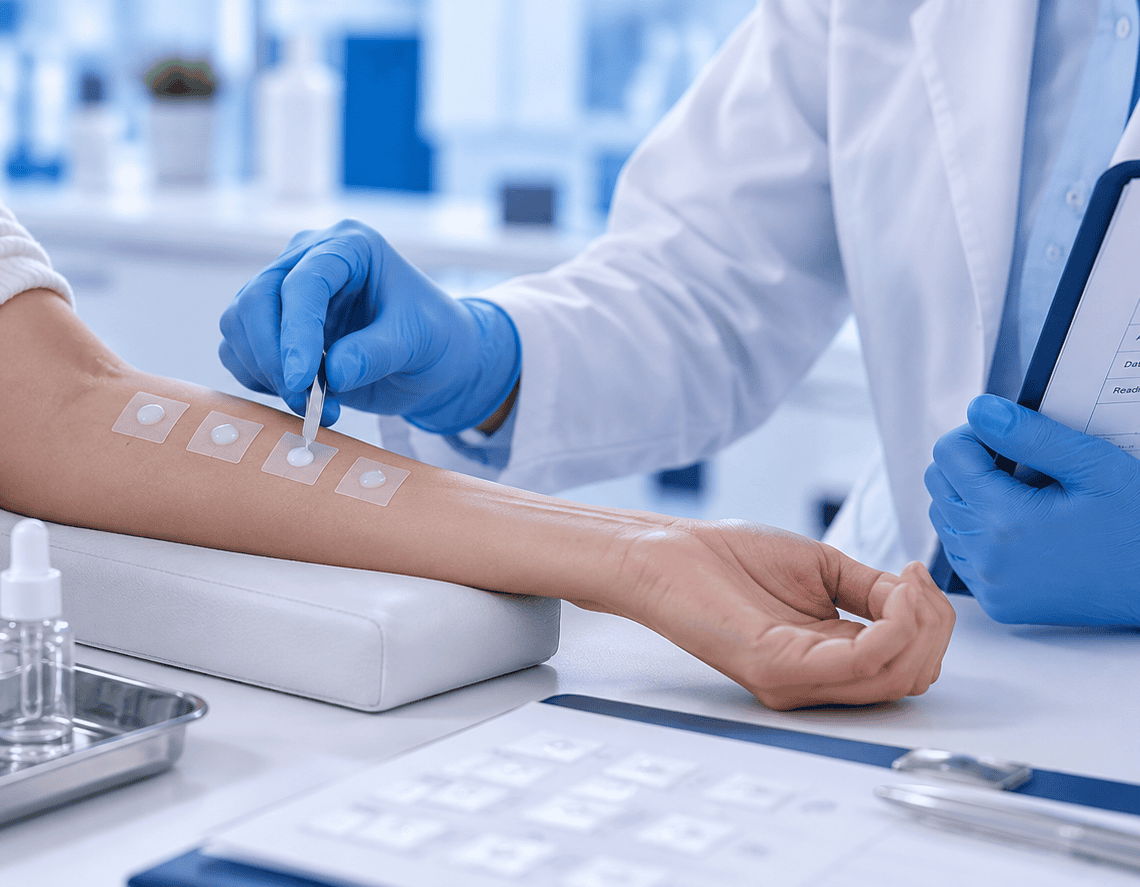
Obelis supports cosmetic claim substantiation and efficacy testing by helping identify the appropriate evidence for your product claims and coordinating specialised studies through our network of laboratory partners. Depending on the claim, we can support clinical and instrumental efficacy testing, consumer perception studies, patch testing, HRIPT, sunscreen efficacy testing, anti-ageing studies, deodorant and antiperspirant testing, water resistance testing and eye tolerance assessments. We help align the testing strategy with the specific cosmetic claim and support documentation for EU cosmetic claims compliance.
- Skin Tolerance & Dermatological Claims: patch testing and HRIPT studies can support claims related to skin compatibility and tolerance.
- Efficacy & Performance Claims: instrumental, clinical and consumer studies can evaluate cosmetic effects such as skin hydration, TEWL, pigmentation, redness, wrinkle appearance and other measurable product benefits.
- Sun Protection & Resistance Claims: testing can support claims related to SPF, UVA protection, water resistance, sweat resistance, and other sunscreen or performance characteristics.
- Consumer Perception Studies: consumer use and perception studies can provide evidence for subjective product benefits, sensory characteristics and consumer-reported performance claims.
FAQ
Frequently Asked Questions
Cosmetic claims testing evaluates whether the benefits, characteristics or performance claimed for a cosmetic product can be supported by appropriate evidence. Depending on the claim, this may involve instrumental testing, clinical studies, consumer perception studies, laboratory testing or scientific literature.
Cosmetic claims made in the EU must be supported by adequate and verifiable evidence. Commission Regulation (EU) No 655/2013 states that studies used as evidence should be relevant to the product and claimed benefit and should use well-designed, reliable and reproducible methodologies.
The evidence required depends on the specific claim. Claims relating to measurable effects such as hydration, anti-ageing, SPF, water resistance, deodorant efficacy or skin tolerance may require appropriate experimental or clinical testing, while other claims may be supported by consumer studies, scientific literature or a combination of evidence.
Yes. Consumer perception and use studies can support cosmetic claims when the methodology is appropriate to the benefit being claimed. They are commonly used to substantiate subjective claims relating to product experience, appearance, sensory properties and perceived performance.