
Why is Challenge Testing Important for Cosmetic Compliance?
Legal background
A Preservative Efficacy Test (PET), or Challenge Test, provides evidence that a cosmetic product’s preservative system can control microbial contamination during use. Under Regulation (EC) No 1223/2009, microbiological quality and preservation efficacy must be addressed in the cosmetic Product Safety Report (CPSR) where applicable. Challenge Test, typically performed according to ISO 11930, supports product safety, regulatory compliance and EU market access.
The risks of insufficient preservative efficacy
What happens if your preservative system is not adequately demonstrated?
Incomplete safety documentation
Missing or inadequate Challenge Test evidence may prevent completion of the CPSR microbiological assessment.
Delayed market access
Additional testing or reformulation may delay completion of compliance documentation and market entry.
Microbial contamination risks
Insufficient preservation may allow microbial growth, affecting product quality and consumer safety.
Reformulation and additional costs
A failed Challenge Test may require reformulation, packaging changes and repeat testing.
Our services
How Obelis Supports Your Cosmetic Challenge Testing
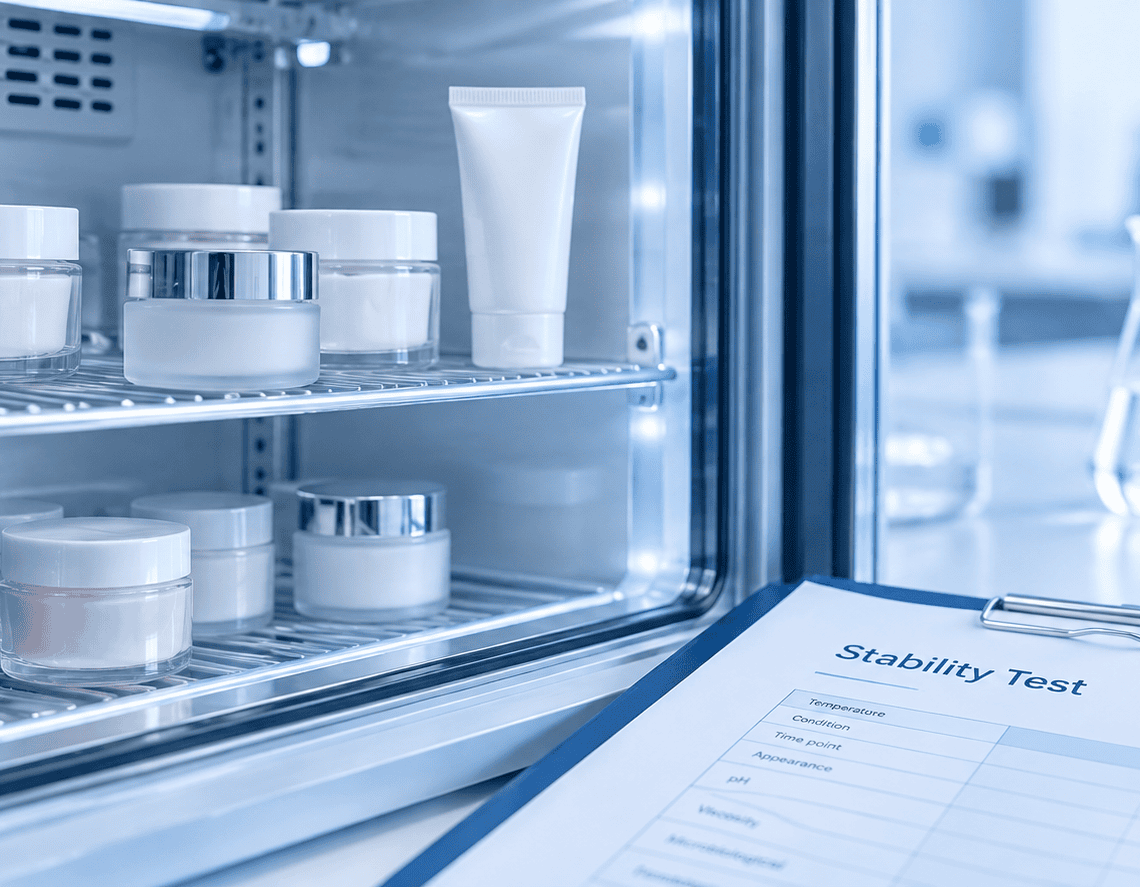
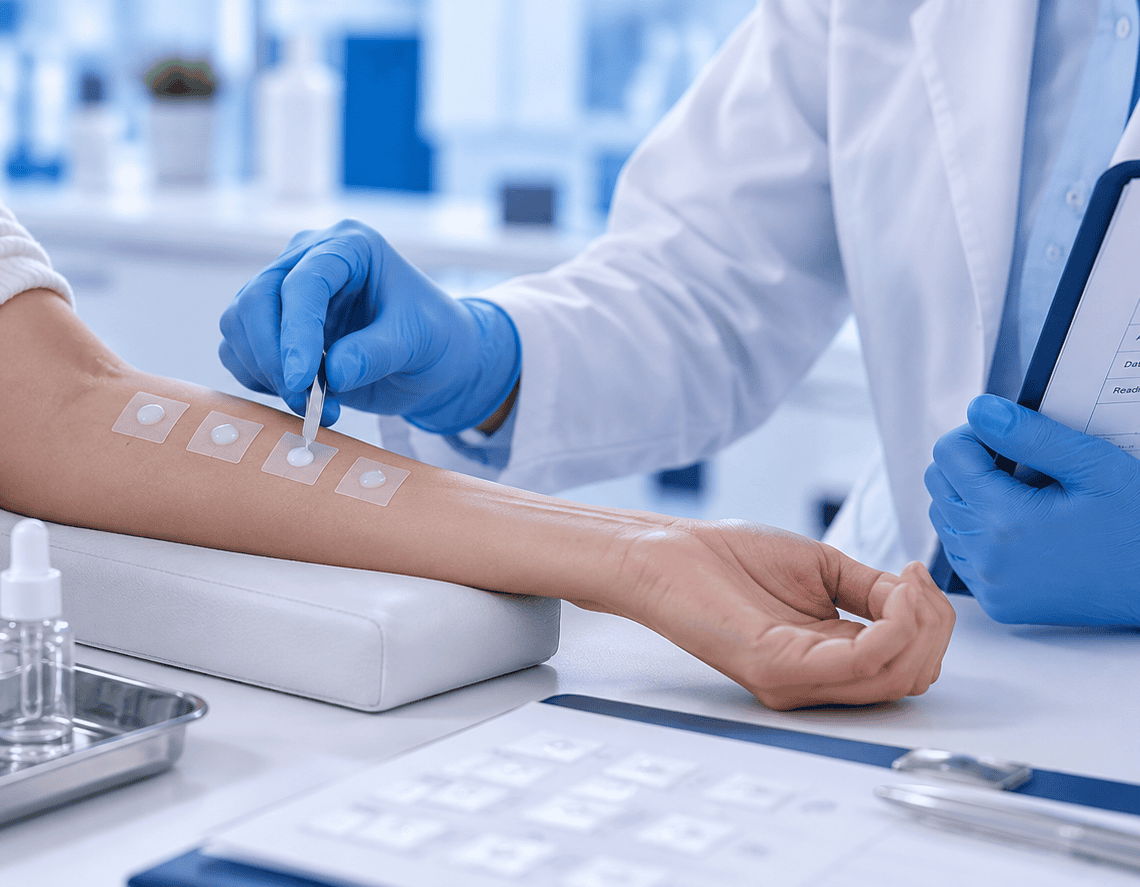
Obelis coordinates Cosmetic Challenge Testing, also known as Preservative Efficacy Testing (PET), through specialised laboratory partners using recognised methods such as ISO 11930. We assess whether your product requires a Challenge Test based on its formulation, packaging, intended use and microbiological risk, and we help ensure the results can support your Cosmetic Product Safety Report (CPSR) and Product Information File (PIF). When needed, we can also coordinate related cosmetic laboratory testing services, including microbiological testing, stability testing, compatibility testing, and patch testing, helping you manage the compliance process from testing through regulatory documentation and market access.
FAQ
Frequently Asked Questions
A Cosmetic Challenge Test, also known as a Preservative Efficacy Test (PET), assesses whether a cosmetic product’s preservative system can control microbial contamination during its intended use. The formulation is exposed to defined microorganisms and monitored over a specified period to evaluate the effectiveness of its antimicrobial protection.
Challenge Testing is an important part of the microbiological safety assessment of many cosmetic products placed on the EU market. Annex I of Regulation (EC) No 1223/2009 requires the CPSR to address microbiological quality and preservation challenge-test results. However, some products may be considered microbiologically low risk and may not require standard Challenge Testing when an appropriate risk assessment supports this, such as one performed according to ISO 29621.
ISO 11930 is the international standard used to evaluate the antimicrobial protection of cosmetic products. It includes a reference method for Preservative Efficacy Testing and a procedure for interpreting the results when assessing the overall antimicrobial protection of cosmetic formulations that are not considered microbiologically low risk.
Challenge Testing evaluates how effectively a cosmetic formulation controls representative microorganisms that may contaminate a product. Under the commonly applied ISO 11930 methodology, the test uses defined bacterial, yeast, and mould test organisms to assess the effectiveness of the product’s preservation system.
Challenge Testing is particularly relevant for cosmetic products in which microorganisms could survive or multiply during normal use. Whether testing is required depends on factors such as water activity, pH, formulation, preservative system, packaging and intended use. Products demonstrated to be microbiologically low risk may not require the same testing approach.